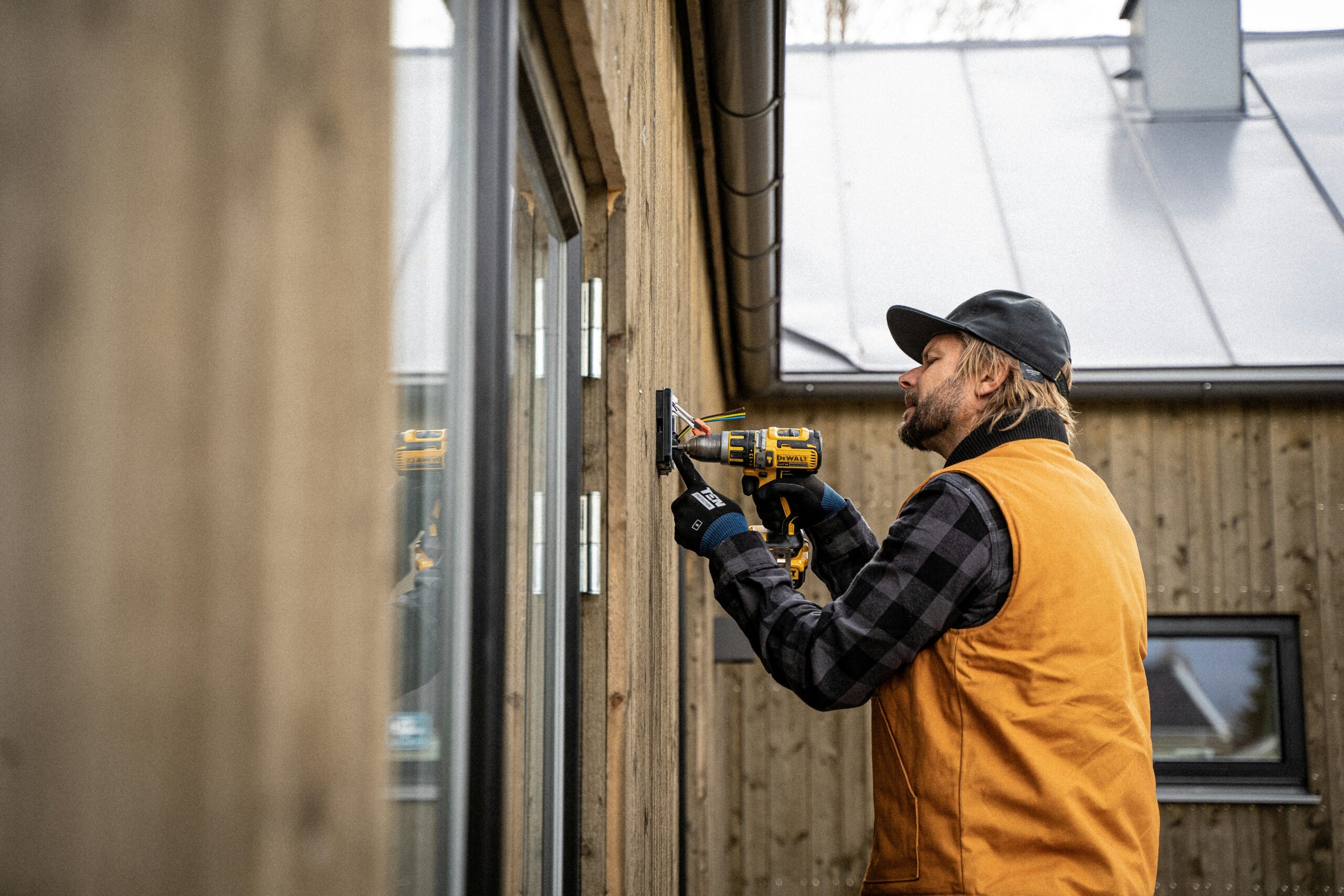
Don’t Wait for Winter to Tell You Your Windows Are Failing
The clearest signs you need new windows are cold air near a closed window, fogging between the panes, windows that stick or won’t lock, visible rot or warped frames, and rooms that never feel warm. One symptom does not necessarily indicate the need for replacement. Many problems can be repaired. This guide shows you how to tell the difference, so you can act before the first deep freeze. If you want a professional to inspect your home, see Canuck Windows for window replacement in Calgary.
Calgary winters expose weak windows fast. Calgary winters can bring sub-zero nights and sharp temperature swings. Chinook winds can cause the temperature to change dramatically. On January 11, 1983, Calgary’s temperature rose from minus 17 °C to 13 °C in four hours, according to Environment Canada data cited by CBC. A window that felt fine in July can feel very different in January.
Older windows do not automatically need replacing. Age alone proves nothing. What matters is how a window performs, what condition it is in, and how well it still opens, closes, and seals. Continue reading to understand the meaning of each sign and the appropriate steps to take next.
5 Signs You Need New Windows Before Calgary Winter
Take a walk around your home and check for signs that indicate you may need new windows. If possible, do this on a chilly morning. Winter problems show up best when the temperature drops.
1. You may feel cold air coming through a closed window
Short answer: Cold air through a closed window usually points to worn weatherstripping, a failed seal, or gaps in the frame. Repair is often enough. Replacement fits when drafts are widespread, keep returning, or come from a damaged frame.
Hold your hand near the edge of a closed, locked window. Do you feel a chill? That is air leakage. Outdoor air moves through spaces around or between windows, which is why windows tend to feel drafty during the winter. Cold air coming through a closed window often shows up in a few ways:
- A cold spot on the wall or floor near the window
- Curtains or blinds that move when nothing else does
- Whistling on windy days
- A cold sash or frame, even when the glass looks fine
The common reasons for this issue include worn-out weatherstripping, damaged seals around the sash, or spaces in the frame. Poor installation can also leave openings around the perimeter. Calgary’s wind makes all of these worse. Wind can cause existing gaps around a window to become more visible.
A quick diagnostic you can run in five minutes:
- Ensure the window is completely closed and locked
- Inspect the weatherstripping for cracks, flattening, or gaps.
- Look around the perimeter for open joints.
- Determine whether the leak is occurring at the frame or at the part of the window that moves.
- Call for an assessment if the draft returns after a simple fix.
Here is the honest part. A draft does not always mean a new window. New weatherstripping, a hardware adjustment, or targeted caulking can fix many leaks. Caulking is not a cure for everything, though. It will not rescue a warped sash or a failed seal. Replacement becomes a real option when drafts are widespread, keep coming back, or trace to deteriorated frames. For repair options, see our window repair services.
2. You may notice fogging or condensation between the window panes
Short answer: Persistent fog between the panes usually points to a failed seal in the sealed glass unit. Moisture appearing on either the inside or outside surface typically comes from different sources. One possible solution is to replace just the glass unit.
An obvious indication that the window seal has failed is the formation of moisture between two layers of glass.
Most modern windows use a sealed insulating glass unit, often called an IGU. Two or three panes sit inside a spacer, with a gas fill such as argon between them. When the seal breaks, humid air gets in. The gas can escape. Fog, haze, or water spots can appear that you cannot wipe away.
However, not all moisture found on a window indicates that the seal is broken. Where it shows up matters.
| Where is the condensation? | What it may mean |
| Between the panes | Possible failed IGU seal |
| On the inside surface | Indoor humidity or poor ventilation |
| On the outside surface | Can happen on a cool, calm, humid night. Not automatically a failure. |
There is more to condensation between window glass than just obscuring the view. A failed unit can lose insulating performance, so the glass can feel colder in winter.
You also have more than one choice. In many cases, the glass unit can be replaced on its own while the frame stays. A full window replacement makes more sense when the frame is also in poor shape. Check your warranty before you spend anything. Some seal failures are still covered.
Canuck Windows offers foggy window seal repair, so check it before you assume the whole window has to go.
3. Your Windows Are Sticking, Hard to Open, Close, or Lock
Short answer: Windows that stick in cold weather may have several causes, including debris in the tracks, worn hardware, damaged weatherstripping, or frame movement. Clean and adjust first. If repairs fail or the frame becomes deformed, replace it.
A window that fights you is telling you something. Before choosing a solution, find out why your windows are sticking in cold weather.
Common causes include:
- Dirt and debris in the tracks
- Worn or broken hardware
- Damaged weatherstripping
- Loose or misaligned sashes
- A warped or shifted frame
- Broken locks or latches
Another security issue is a window that won’t lock. If it’s a bedroom escape, a window that won’t open could be dangerous. Be mindful of both.
Try maintenance or repair first when:
- The tracks are dirty
- Hardware is worn
- Weatherstripping is damaged
- A latch just needs adjusting
Replacement becomes more compelling when:
- The frame is warped
- The window keeps failing to operate
- New hardware does not solve it
- Several windows have the same problem
- The window cannot lock or open reliably
4. You See Water Damage, Rot, Cracks, Warping, or Deteriorating Frames
Short answer: Rot, water stains, and warped frames are the clearest replacement signs, especially when water is getting in. Minor, isolated damage can often be repaired.
This sign is the hardest to ignore. Look closely at the frame and the trim around it. Warning signs include:
- Water stains on the sill, trim, or wall
- Peeling or bubbling paint
- Soft or spongy wood
- Visible rot
- Cracked or swollen frames
- Cracked glass
- Gaps between the frame and the wall
Physical deterioration affects more than looks. It can hurt air sealing, moisture resistance, operation, and security. It can also damage the wall around the opening. That is reason enough to act, with no need to exaggerate the risk.
Use a simple rule. Minor, isolated damage calls for an inspection and likely a repair. Rot plus water intrusion plus a deteriorated frame means replacement deserves serious thought. Of all five signs, this one most often points to true replacement.
5. Your Older Windows No Longer Keep Your Home Comfortable
Short answer: If rooms near windows stay cold, the glass feels cold, and several windows show the same problems, your windows may be hurting comfort. A high heating bill alone does not prove it.
Comfort tells you more than a spec sheet. Ask a simple question. Do your windows help your home stay warm during Calgary’s long heating season?
Signs of declining performance include:
- Cold rooms near windows
- Glass that feels cold to the touch
- Uneven temperatures from room to room
- A thermostat you keep adjusting
- A furnace that runs hard while some rooms stay chilly
- Several windows showing the same problems
- Older single-pane or poorly performing units
Be careful with your heating bill. A high bill does not prove your windows are failing. Insulation, furnace efficiency, air leakage elsewhere, and even a cold month can all play a part. Look for a pattern instead. Rising heating demand, cold rooms, drafts, and cold glass together make a stronger case than any one number.
How Do You Know the Signs You Need New Windows Are Actually a Replacement Problem?
Short answer: Work up from the simplest fix. Maintain, repair, replace the glass unit, then replace the whole window only when the earlier steps will not solve the problem.
Most homeowners jump to the biggest, most expensive fix. Slow down. Think in four stages, from simplest to most involved.
| Stage | What it covers | Typical triggers |
| 1. Maintain | Clean tracks, check weatherstripping, check hardware, keep drainage paths clear | Sticking, light drafts |
| 2. Repair | Weatherstripping, caulking where suitable, hardware, locks, alignment, minor frame issues | Isolated drafts, loose latches |
| 3. Replace the glass unit | New IGU in the existing frame | Fogging between panes, isolated glass failure |
| 4. Replace the whole window | New window and installation | Deteriorated frame, persistent leaks, widespread drafts, repeated repairs |
Move up a stage only when the stage below stops solving the problem. Not sure where your window sits? Book an assessment for replacement windows and get a straight answer.
Do You Need to Replace All Your Windows When You See Signs You Need New Windows?
No. You do not have to replace every window because one has failed.
Replacing a single window can make sense when:
- One window has failed
- The frame is still sound
- The issue is isolated
- A glass unit swap is practical
- The other windows perform well
Broader replacement can make sense when:
- Several windows have the same problem
- Drafts show up all over the house
- Multiple frames are deteriorating
- Several windows have failed seals
- Repairs keep repeating
- Overall performance is poor
Phasing the work is a common approach. Start with the worst rooms and continue over a few seasons. That approach spreads the cost and still fixes the biggest comfort problems first.
Wondering what each phase might cost? Read our guide to window replacement costs in Calgary.
Alberta Winter Window Prep: What to Check Before the First Major Freeze
Snow in September is not rare in Calgary, according to Environment and Climate Change Canada, so do this check early. For the full routine, learn how to prepare your windows for Calgary winter.
Quick Window Inspection Before Winter
- Feel for cold air around closed windows
- Look for condensation between panes
- Check for ice on the inside of windows
- Open and close every window
- Test locks and latches
- Inspect the weatherstripping
- Look for cracks or warped frames
- Check for water stains or peeling paint
- Press on frame edges for soft or rotting wood
- Note which rooms stay unusually cold
Found several problems on one window, or the same problem on many? That is the moment the signs you need new windows turn from a suspicion into a plan. Have the windows assessed before conditions get worse.
What Happens If You Wait Until Winter to Replace Your Windows?
Winter installation can still be possible. Weather and site conditions matter, so each job needs a proper look. Still, planning has clear benefits.
- Scheduling. Cold snaps and storms can push dates around.
- Exposure. Any installation opens the wall for a short time. Milder weather makes that easier on your home and your family.
- Less pressure. An early assessment lets you decide calmly, instead of reacting to a failure in January.
If you need winter window installation in Calgary, ask your installer how they handle cold weather work. A good crew will explain the plan before they start.
How Window Upgrades Can Affect Winter Comfort and Heating Costs
Two things drive winter performance. One is air leakage, which is cold air slipping through gaps. The other is heat transfer, which is warmth moving through glass and frames. Both matter for heat loss through windows. Cold glass also makes a room feel colder, even when the thermostat says otherwise.
Can new windows reduce winter heating costs? They can, especially when your current windows leak a lot or perform poorly. Savings vary. They depend on your existing windows, the quality of installation, your heating system, your insulation, and the way you use the home. No honest installer can promise a fixed number. If you want to reduce winter heating bills in Calgary, treat windows as one part of the whole house, next to attic insulation and air sealing.
What Are the Best Windows for Calgary Winters?
The best windows for Calgary winters are not defined by one feature. Look at the whole package:
- Glazing setup. Double pane or triple pane, and the gas fill, such as argon
- Low emissivity coatings. Often called Low E, these coatings reflect heat into the room
- Frame material and build. Vinyl and fiberglass frames both perform well when well made. Metal frames conduct more heat, so overall window design matters
- Airtight installation. A great window installed poorly will still leak
- Overall rating. Check the window’s U factor and air leakage rating
- Your home. Orientation, room use, and the condition of nearby windows all count
The right choice depends on your house. Browse window options for Calgary homes and ask for advice that fits your home.
Frequently Asked Questions About Signs You Need New Windows in Calgary
Can I Still Replace My Windows in Calgary Once It Starts Snowing?
It can be, in many cases. Replacement can still be possible once snow arrives, but weather and site conditions decide it job by job. Installers should follow the manufacturer’s instructions for sealants, foam, and tapes, including temperature limits. Planning avoids rushed decisions. Book an assessment early, before small problems turn urgent. If you are weighing winter window installation in Calgary, ask about timing and how the crew protects your home during the work.
Why Is There Ice on the Inside of My Windows?
Ice on the inside of windows usually means warm, humid indoor air is hitting a very cold surface. Common causes are high indoor humidity, weak ventilation, cold glass, and air leakage. Ice does not automatically mean the window has failed. Persistent ice on the same windows deserves investigation.
How Do I Know If My Window Seal Is Broken?
Look for fog or moisture between the panes. That is the main window seal failure symptom, and it can point to a failed insulated glass unit. Moisture on the inside surface usually reflects indoor humidity. Moisture on the outside can be normal in some conditions. Fog that shows up only during extreme cold and clears afterward is not counted as a failed unit. If fogging between the panes stays or keeps returning, have it inspected.
Will New Windows Lower My Heating Bill in Calgary?
They can, but savings vary, and nobody should guarantee them. Leaky or poorly performing windows leave the most room for improvement. Results depend on your current windows, the installation, your heating system, and your insulation. To reduce winter heating bills in Calgary, look at the whole house, not just the glass.
Do I Need Triple Pane Windows in Calgary?
Not always. Triple pane is an option, not a rule for every home. Performance depends on the whole window system, including the frame and the installation. Your home’s design and the condition of your existing windows matter too. Natural Resources Canada says triple-glazed windows can help reduce fogging and freezing at the glazing edges in more extreme climates. ENERGY STAR certification in Canada is based on U factor or Energy Rating, not on the number of panes. Our dedicated triple pane guide will go deeper on this.
Can I Fix a Drafty Window With Caulking, or Do I Need a New One?
Sometimes caulking is enough. Drafty windows in winter often trace to one of a few causes. Cold-weather caulking can seal certain perimeter gaps. Weatherstripping can fix leaks at the sash, and hardware or alignment adjustments solve others. Damaged frames or drafts across many windows can justify replacement. Fix the cause, not just the symptom.
Why Are My Windows Hard to Open When It’s Cold?
Several problems can make a window stick, including debris, worn hardware, damaged weatherstripping, and poor alignment. Start with cleaning and adjustment. Do not assume replacement unless the frame is damaged or the problem will not go away.
What Does a Low E Coating Do, and Do I Need It for Winter?
Low E, short for low emissivity, is a thin, nearly invisible coating on the glass. It reflects heat into your home while still letting light in. For a Calgary winter, it is a useful feature in an energy-efficient window upgrade. Your installer can tell you which type suits each window.
How Much Heat Is Lost Through Old Windows?
It depends, and no single number fits every home. Heat loss through windows depends on window area, glazing, frame type, air leakage, installation quality, insulation, home design, and the gap between indoor and outdoor temperatures. A leaky single-pane window in a Calgary January loses far more than a tight, modern unit. An on-site assessment is the best way to know for your home.
Final Thoughts
Your windows give you warnings. Drafts, fog between the panes, sticking sashes, rot, and cold rooms all matter. Learn the signs you need new windows, then match each one to the right fix. Sometimes a repair is enough. Sometimes the frame has had its day. Check your windows now, while the weather is mild, and talk to a local expert about Calgary window replacement before the first major freeze.